Summary
A luxury boutique isn't just a more expensive shop. It's a universe where every material, every light, every silence tells a brand story.
What differentiates luxury boutique fitting from classic retail
In luxury, fitting is never neutral. Every material carries a message: marble evokes permanence, brushed brass refinement, leather craftsmanship. Classic retail prioritizes commercial efficiency. Luxury prioritizes sensory experience — density is often divided by five between mass-market and high-end.
Materials that signal a high-end boutique
Marble remains the visual luxury reference. We favor Italian (Calacatta, Statuario) or French marbles for counters and floors. Noble woods (smoked oak, walnut, ebony) dress wall displays. Brushed brass is the star luxury metal of the 2020s.
Lighting and atmosphere: the invisible dimension
Luxury boutique lighting works in three layers: ambient (soft 2700K), accent (directional LED spots CRI>95), comfort (auxiliary lamps). Lighting investment represents 15-20% of fitting budget — vs 5-8% for classic retail.
Customer journey: slowing down to sell more
In luxury, the journey isn't linear. We create successive zones: reception, discovery, conversation, fitting or demonstration. Mirrors play a key role. The window displays little — often a single piece in a minimalist showcase.
Frequently asked questions
Have a fitting project in mind?
Contact us for a free quote. On-site visit, 3D plans and detailed costing — no obligation.
Get a free quoteGet a free quote
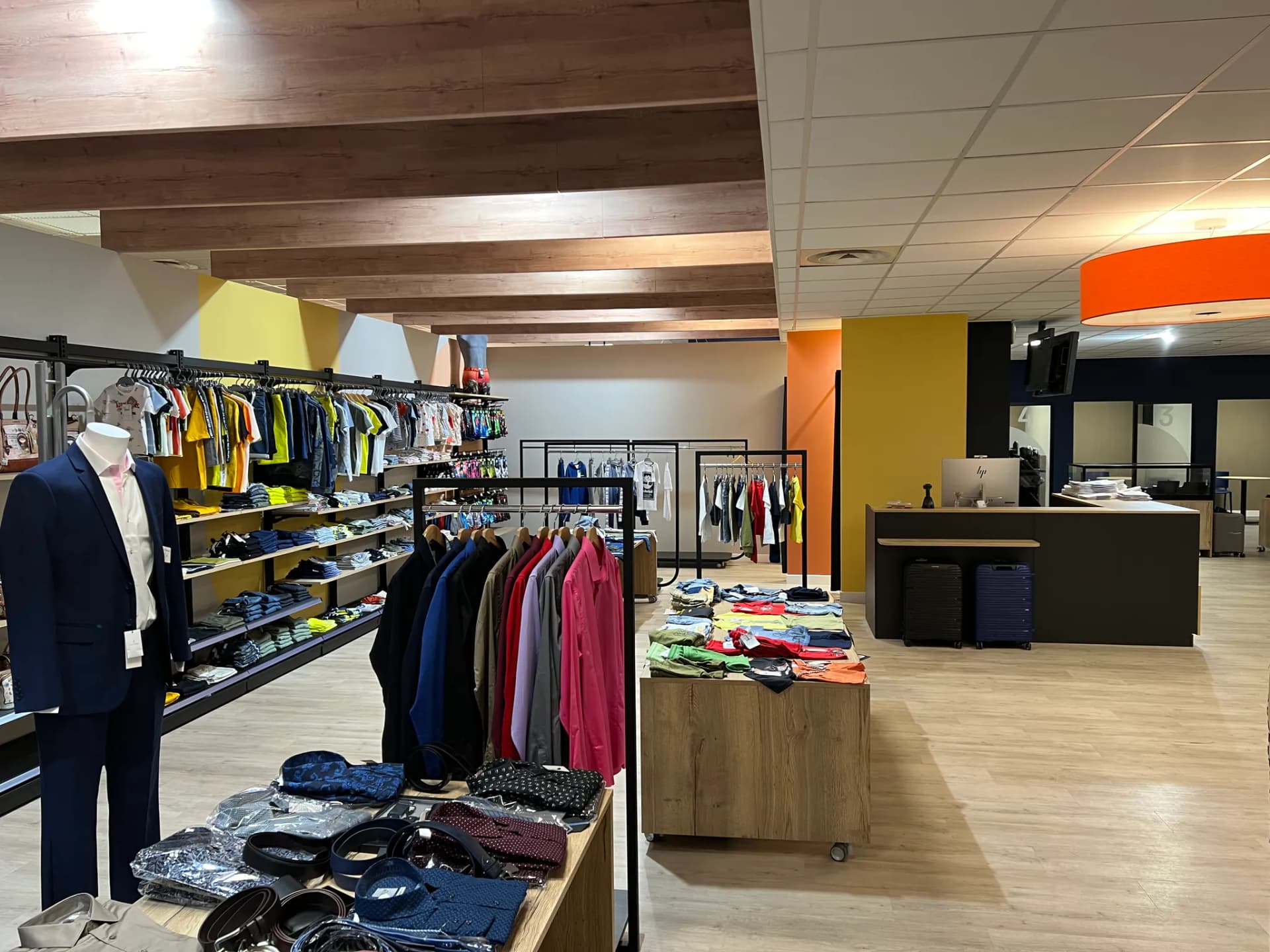
At Agencement-Shop, we support every shop fitting project from design to finishing. This article is part of our expertise sharing approach: we share what we learn on the ground to help shop owners make good decisions before starting.
Also discover
External reference: Qualibat — Official quality framework for fitting and construction companies.