
Summary
A gourmet grocery sells pleasure. Fitting must therefore awaken desire from the first glance.
Specificities versus a classic convenience store
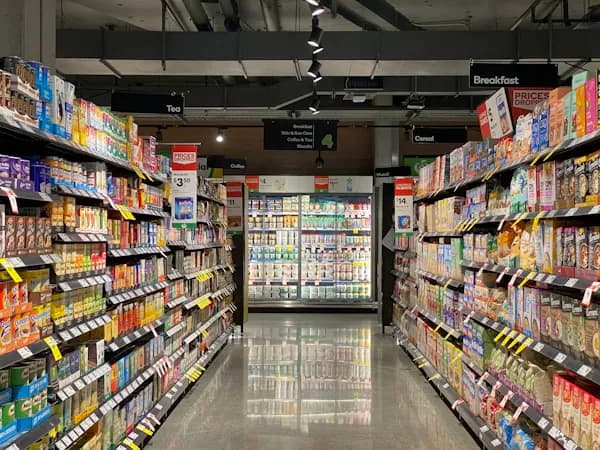
A gourmet grocery doesn't sell food — it sells an experience. Average basket is 3-5x higher than a convenience store. Display density is reduced 40-60%. Solid wood replaces melamine.
Essential furniture: materials and specifications
The sales counter is the centerpiece, ideally in solid wood or patinated zinc with integrated refrigerated showcase. Wall shelving in solid wood for canned goods. Themed displays create stopping points.
Lighting and merchandising: creating desire from entry
Gourmet lighting combines ambient warmth (2700-3000K) and product precision (directional spots 3000K, neutral 4000K for cutting areas). Merchandising follows the theme rule — composing scenes rather than categories increases basket 25-40%.
HACCP and compliance for gourmet grocery
A gourmet grocery selling fresh-cut products must meet HACCP standards. Cold chain must be continuous. Raw material storage follows strict rules: separation, labeling, FIFO rotation.
Frequently asked questions
Have a fitting project in mind?
Contact us for a free quote. On-site visit, 3D plans and detailed costing — no obligation.
Get a free quoteGet a free quote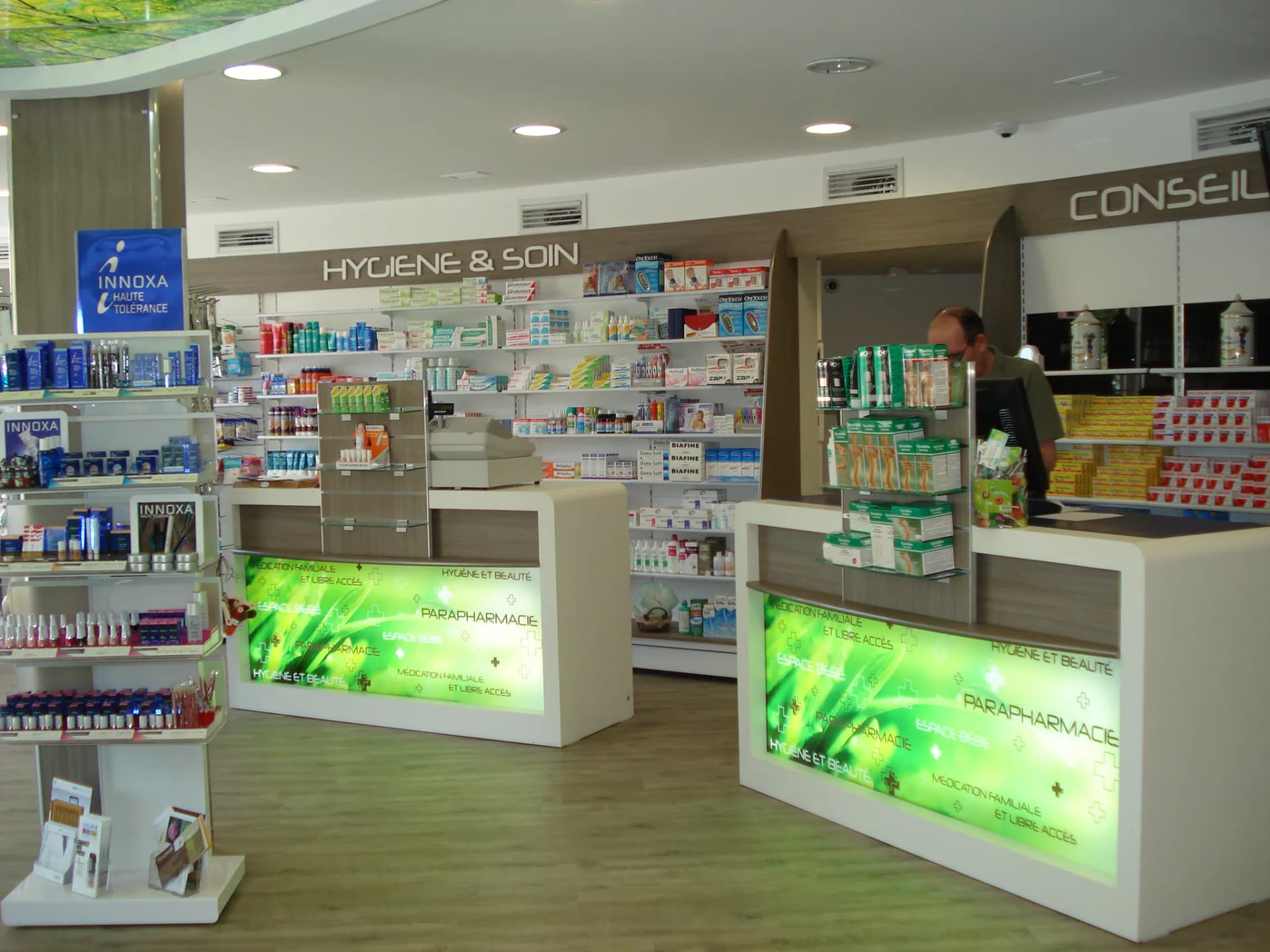
At Agencement-Shop, we support every shop fitting project from design to finishing. This article is part of our expertise sharing approach: we share what we learn on the ground to help shop owners make good decisions before starting.
Also discover
External reference: Qualibat — Official quality framework for fitting and construction companies.